
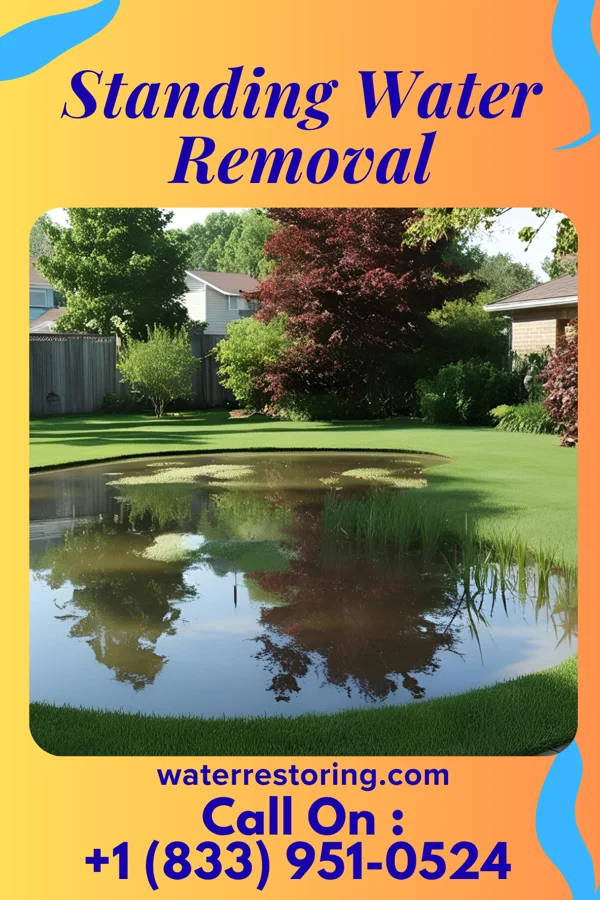
When Ainsworth Properties Need Standing Water Removal
Water damage in Ainsworth usually starts with In Ainsworth, Nebraska, the primary water damage cause is often due to agricultural runoff and irrigation systems, especially during the spring thaw and heavy rainfall periods. Additionally, the rural setting increases the risk of water accumulation from broken irrigation lines or livestock water tanks.. A close second is Secondary causes include leaking septic tanks, malfunctioning water wells, and occasional flooding from nearby rivers or streams. These issues are more common in the surrounding rural areas near Long Pine and Bassett.. Professional restoration follows the IICRC protocol on every job. Assess. Extract. Dry. Sanitize. Document.
Ainsworth experiences a semi-arid climate with cold winters and warm summers, which can lead to sudden temperature changes that affect building materials. The region's flat terrain also contributes to water pooling in low-lying areas.
Water damage in Ainsworth follows a few local patterns. In Ainsworth, Nebraska, the primary water damage cause is often due to agricultural runoff and irrigation systems, especially during the spring thaw and heavy rainfall periods. Additionally, the rural setting increases the risk of water accumulation from broken irrigation lines or livestock water tanks. accounts for the bulk of our calls. Ainsworth experiences a semi-arid climate with cold winters and warm summers, which can lead to sudden temperature changes that affect building materials. The region's flat terrain also contributes to water pooling in low-lying areas. Mold growth in Ainsworth can occur quickly due to the region's humidity levels and the presence of agricultural water sources. Prompt action is crucial to prevent long-term structural damage and health risks.